


The date of each transactionrelated to this account is included, a possible description of thetransaction, and a reference number if available. There are debitand credit columns, storing the financial figures for eachtransaction, and a balance column that keeps a running total of thebalance in the account after every transaction. Recall balance t account example that the general ledger is a record of each account andits balance. Reviewing journal entries individually can be tediousand time consuming. The general ledger is helpful in that a companycan easily extract account and balance information.
What are debits and credits?
I say normal balances because they don’t always have balances on those sides—but they should. For example, if your checking account is in overdraft then you have negative cash, which would show a balance on the right side instead. It basically means you have a cash liability instead of asset, which is not good. It is this simple for cash accounting, but it isn’t for accrual accounting, which you likely use. In accrual accounting, you need to recognize your revenue according to ASC 606, which means you also need to involve a deferred revenue account. Then, the two involved accounts are your cash account and your revenue account.
Posting of Journal Entries to T-accounts
- For an auditor, they are a checkpoint for ensuring accuracy in the books.
- The debits are always transferred to the left side and the credits are always transferred to the right side of T-accounts.
- T-accounts are well-suited for small businesses or simple transactions, but they can become cumbersome for companies with high transaction volumes.
- Examples include cash, investments, accounts receivable, inventory, supplies, land, buildings, equipment, and vehicles.
- Ms. Wilson received an invoice on October 31st for $4,000 for October’s rent.
- They’re super handy for both newbies and seasoned accountants to keep things clear and accurate.
As mentioned in the previous section, an account balance will include the purchases he made and the item he returned. In our next lesson we’re going to continue working with T-accounts and focus on a very important aspect of them – learning how to balance T-accounts. This is the same as the previous transaction, Sales Forecasting just on the opposite side – we enter the transaction on the credit (right) side of the bank T-account. The chart below shows the complete set of T-accounts for the example transactions discussed in this article. This transaction is telling us that what we have “on hand” in our supply closet is $1,250 worth of supplies. We need to reduce that number to reflect the actual value.
- Each entry lists the accounts affected, the corresponding debit and credit amounts, and the transaction date.
- If there was a debit of $5,000 and acredit of $3,000 in the Cash account, we would find the differencebetween the two, which is $2,000 (5,000 – 3,000).
- The mostly adopted approach is to divide assets into current assets and non-current assets.
- Your truck costs 30,000 dollars and you make a 5,000 dollars down payment.
- For example, interest earned by a manufacturer on its investments is a nonoperating revenue.
- Service revenue earned but uncollected (On credit)On May 10th, Company XYZ invoices a client for $300 worth of service, with payment due within 20 days.
Editorial Process

In this setup, you jot down all debit entries on the left and all credit entries on the right. To find the account balance, subtract the total debits from the total credits. A positive result means a debit balance; a negative result means a credit balance.
- It would require dedicated manpower just for the data entry.
- As a new business owner, there will be a variety of financial reports and terms that you may not be aware of.
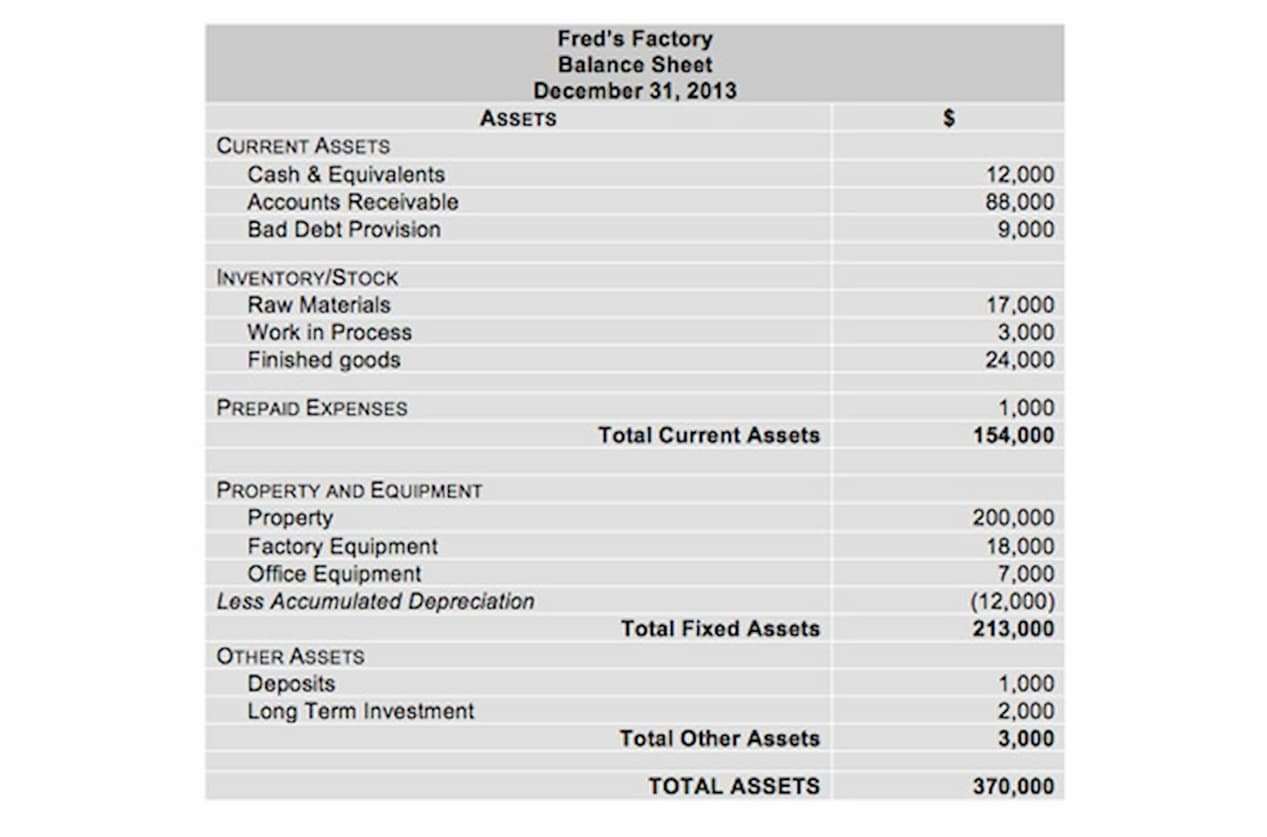
- The inventory of a manufacturer should report the cost of its raw materials, work-in-process, and finished goods.
- After reviewing the transactions, prepare the necessary journal entries and post them to the necessary T- Accounts.
- T-accounts differ from other accounting records in purpose and structure.
- Since this figure is on the credit side, this $300is subtracted from the previous balance of $24,000 to get a newbalance of $23,700.
#1 – General Ledger
A T-Account is a way of organizing transactions in an easily understood and visually show the increases and decreases in accounts. contribution margin Each business transaction is broken into parts with each part being assigned to an account. The key financial reports, your cash flow, profit & loss and balance sheet are an organised representation of these fundamental accounting records. They are built from the ground up by these debits and credits.
This is a more robust form of accounting that double-checks each transaction and leaves scope for different aspects of business transactions such as buying and selling on credit. A T account is an informal term that refers to financial records that use double-entry bookkeeping. As I owe both this month and last month’s rent, I have to pay £4000. My bank account is credited £4000, whilst the accounts payable account is debited £2000 and rent is debited £2000. Therefore, both debits and credits are equal in this transaction.
T Accounts Examples in Accounting

Determined that the cost of supplies on hand was $1,250; therefore, the cost of supplies used was $2,050. Billed customers for fees earned for managing rental property, $30,800. For the past 52 years, Harold Averkamp (CPA, MBA) hasworked as an accounting supervisor, manager, consultant, university instructor, and innovator in teaching accounting online.