


Understanding Crypto Paper Trading: A Guide for Beginners
In the rapidly evolving realm of cryptocurrency, many newcomers and seasoned investors alike are exploring various trading strategies. One such method gaining traction is Crypto Paper Trading. This form of simulated trading allows individuals to practice their strategies without financial risk. Crypto Paper Trading click here to dive deeper into this powerful tool used by many traders today.
What is Crypto Paper Trading?
Crypto paper trading refers to the practice of simulating trades in the cryptocurrency markets using pretend money. This means you can buy and sell digital assets without the risk of losing actual funds. Paper trading is particularly valuable for beginners looking to familiarize themselves with trading platforms and market dynamics before committing real capital.
Why Use Paper Trading?
1. **Risk Management**: One of the primary advantages of paper trading is that it allows traders to develop and refine their risk management strategies. By testing their theories and strategies in a risk-free environment, traders can identify the potential pitfalls and develop a sound approach before risking real money.
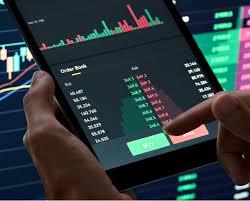
2. **Learning Opportunity**: For newcomers, the world of cryptocurrency can be overwhelming. Paper trading provides an excellent opportunity to learn about market trends, order types, and trading strategies without the fear of making costly mistakes.
3. **Experimentation**: Experienced traders can also benefit from paper trading. It allows them to experiment with new strategies or adapt existing ones to market changes. This flexibility can be crucial in a volatile market like cryptocurrency.
Key Features of Crypto Paper Trading Platforms
When choosing a platform for crypto paper trading, it’s essential to consider several key features:
- Real-time Market Data: Look for platforms that provide real-time price data to ensure your practice trades reflect actual market conditions.
- User-Friendly Interface: A platform that is easy to navigate will help you focus on learning and improving your trading skills instead of struggling with the technology.
- Trade Execution: Ensure that the platform allows for swift execution of trades just like in a live environment. This will help you understand the importance of timing in trading.
- Order Types: Support for various order types, such as limit orders, market orders, and stop-loss orders, will enable you to simulate trading as closely as possible to real-life scenarios.
- Performance Metrics: A good paper trading platform will provide you with performance metrics and analytics to assess your trading strategies and improvements over time.
Tips for Successful Paper Trading
To make the most of your paper trading experience, consider the following tips:

- Treat it as Real Trading: If you want to get the most benefit from paper trading, treat it as if you are using real money. Avoid the common mistake many make of taking trades less seriously because they are not using actual funds.
- Develop a Trading Plan: Before starting your paper trading journey, create a trading plan that outlines your goals, risk tolerance, and strategies. This plan will act as your roadmap and contribute to your success.
- Keep a Trading Journal: Documenting your trades, thought processes, and emotions during each trade can provide valuable insights into your trading behavior, helping you make necessary adjustments.
- Review and Analyze: Regularly review your performance, analyze what worked and what didn’t, and adjust your strategies accordingly.
Common Mistakes to Avoid
Even in a paper trading environment, traders can make mistakes. Be wary of the following:
- Neglecting Emotion: Many make the mistake of ignoring emotional responses in paper trading, as it’s not “real” money. Remember that the psychological aspects of trading will come into play when real funds are on the line.
- Overtrading: It can be tempting to trade impulsively using paper money, but this behavior can lead to bad habits that carry over into real trading.
- Inconsistent Strategy Application: Changing strategies too frequently without allowing enough time to evaluate each one can hinder your ability to learn and grow as a trader.
Transitioning to Real Trading
Once you feel confident in your abilities through paper trading, the next step is transitioning to real trading. Here’s how to make that leap:
- Start Small: When moving to real trading, start with a small amount of money that you can afford to lose. This will help you ease into the emotional aspects of trading.
- Stay Disciplined: Maintain the same trading strategy and discipline that you developed during your paper trading phase, and stay true to your trading plan.
- Limit Leverage: Avoid using high leverage initially. Keeping your risk level manageable will help you build confidence and experience without overwhelming potential losses.
Conclusion
Crypto Paper Trading offers an invaluable opportunity for both novice and experienced traders to develop their skills, test strategies, and gain insight into market behavior without the financial risk. By approaching paper trading seriously and implementing wise practices, you can set a strong foundation for successful trading in the volatile world of cryptocurrencies. Embrace the learning process, remain disciplined, and soon you may find yourself on the path to becoming a successful trader.