


Enhancing Your Trading Skills with Trading Simulator Crypto
In today’s fast-paced digital asset environment, traders often find themselves battling against rapid market fluctuations and complex financial instruments. In such a high-stakes ecosystem, having a solid strategy is paramount for success. This is where a trading simulator crypto comes into play. With a trading simulator, traders can learn the ropes without risking real money. This article delves into the importance of this innovative tool, how it works, and its benefits for both new and experienced traders. If you’re interested in exploring deeper topics in trading and finance, Trading Simulator Crypto click here.
The Basics of a Trading Simulator
A trading simulator is a software application that enables you to practice trading using real-time or historical market data. Essentially, it mimics the real trading environment, allowing traders to buy and sell assets without actual financial exposure. Trading simulators often use virtual money, providing an excellent opportunity to develop and test strategies, analyze performance, and gather important insights into market dynamics.
Why Use a Trading Simulator for Crypto Trading?
The cryptocurrency market is notorious for its volatility, which can bewilder novice traders and overextend seasoned ones. Here’s why using a trading simulator can be an invaluable resource:
- Risk-Free Learning: Trade confidently without the financial consequences of losses, allowing you to make mistakes and learn from them.
- Experimentation: A trading simulator allows you to test various strategies, whether you’re into day trading, swing trading, or holding long-term positions.
- Master Different Tools: Familiarize yourself with trading platforms, order types, and risk management strategies without the fear of incurring real losses.
- Performance Measurement: Track your success with analytics tools that provide insights into your trading patterns and decision-making process.
How to Choose the Right Trading Simulator
Selecting the right trading simulator for cryptocurrency trading can significantly influence your learning experience. Here are several factors to consider:
- Realism and User Experience: A user-friendly interface that closely mimics actual trading conditions can vastly improve your simulation experience.
- Data Availability: Ensure that the simulator provides access to historical and live market data to practice accurately.
- Features: Look for features like order types, analytics, and reporting tools to provide a comprehensive trading experience.
- Community Support: Some simulators offer forums or communities where traders can share advice, tips, and strategies.
Benefits of Trading Simulators Over Live Trading
While the thrill of live trading is undeniable, trading simulated environments carry distinct advantages:
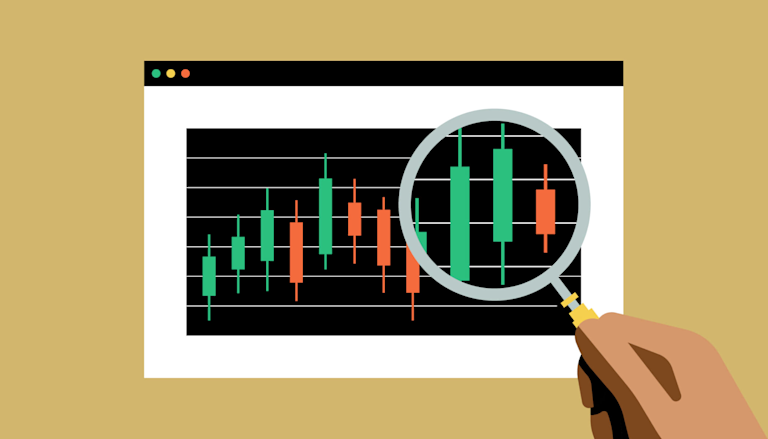
- Reduced Stress: Trading with virtual currency eliminates the anxieties associated with losing real money.
- Time for Reflection: You can take the time you need to analyze your decisions without the pressure of live trading.
- Learning Opportunities: Every trade, whether successful or not, can be a learning opportunity when risk isn’t involved.
Live Trading after Simulation: A Logical Progression
Once you’ve honed your skills using a trading simulator, you may feel ready to transition to live trading. However, it’s essential to have a plan:
- Start Small: Begin with smaller investments to gain real-world experience without risking significant capital.
- Set Clear Goals: Define what you wish to achieve with your trading before diving in.
- Continuous Learning: View each trade as an opportunity to learn and adjust your strategies as needed.
Conclusion
Cryptocurrency trading can be a lucrative pursuit, but it’s also fraught with risks. Utilizing a trading simulator provides a safer environment to learn, practice, and perfect your strategies before venturing into real trading. By taking advantage of these simulators’ unique features, new and experienced traders alike can cultivate a deeper understanding of the market dynamics involved in cryptocurrency trading. Remember, the key to successful trading is not just about making profits but also about ongoing education and practice.